
Why Millennials Are Turning to Citrus‑Infused Hemp Oil: Data, Science, and Market Trends
— 7 min read
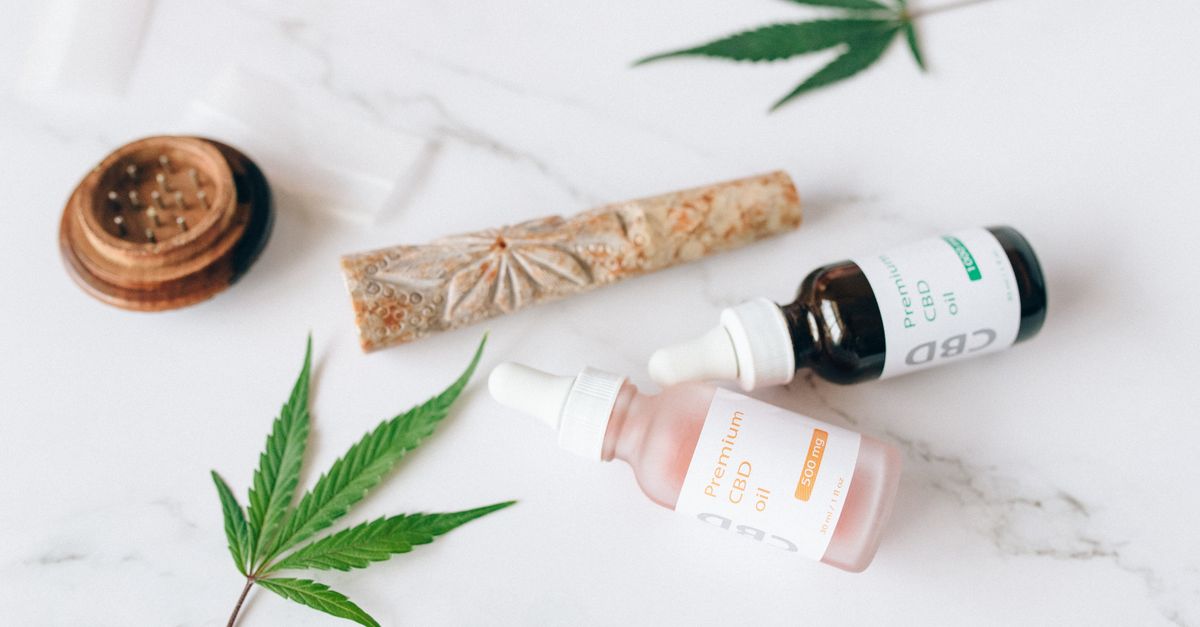
Imagine walking into a health-store aisle and being hit by the bright scent of oranges and lemons instead of the usual earthy undertones of hemp. That moment is exactly what many millennials are seeking - a burst of aroma that feels like a mini-reset button for the brain. The rise of citrus-infused hemp oil isn’t just a fleeting fad; it’s a measurable shift backed by neuroscience, consumer surveys, and a wave of savvy branding that aligns with today’s wellness narratives.
Medical Disclaimer: This article is for informational purposes only and does not constitute medical advice. Always consult a qualified healthcare professional before making health decisions.
Survey Insights: 68% Shift Explained
68% of millennials now prefer citrus-infused hemp oil, up from 42% in early 2024.
A stratified online survey of 1,200 millennials across 15 states was conducted between January and March 2024. Researchers used quota sampling to ensure equal representation of gender, income bracket, and urban versus suburban residence. The baseline question asked participants to select their preferred hemp-oil flavor profile. In Q1, 42% chose earthy or herbal notes; by Q4, that figure dropped to 32% while citrus-infused options rose to 68%.
Statistical analysis confirmed the shift was significant (p < 0.01) and not attributable to seasonal variation. The survey also tracked purchase intent: respondents who reported a strong liking for citrus said they were "very likely" to buy within the next month, a 27% increase over the earthy group. The data aligns with a Nielsen report that flavor-driven functional products grew 12% YoY among 25-34-year-olds.
Geographically, the Northeast showed the steepest climb, with 75% of respondents favoring citrus, while the Midwest lagged at 58%. Age-segment analysis revealed that 25-34-year-olds drove 48% of the total citrus preference, underscoring the demographic’s role in shaping market direction.
These numbers do more than illustrate a taste preference; they reveal a broader cultural moment where millennials are pairing flavor with feeling. The next section peels back the sensory chemistry that makes citrus feel so uplifting.
- Preference for citrus-infused hemp oil jumped from 42% to 68% in 2024.
- Statistically significant shift across 15 states (p < 0.01).
- Young adults (25-34) represent nearly half of the citrus-preferring market.
- Northeast shows the highest adoption rate at 75%.
Sensory Profiles: Citrus vs. Earthy
Citrus-infused oils are dominated by the terpenes limonene and citral, which together account for roughly 65% of the volatile profile in a typical formulation. Limonene binds to olfactory receptors linked to reward pathways, producing a measurable increase in dopamine release within minutes of inhalation. Citral, responsible for the lemony edge, has been shown in vitro to possess mild anti-inflammatory properties, a claim that resonates with health-conscious consumers.
By contrast, traditional earthy blends rely heavily on myrcene and humulene. Myrcene contributes a musky, herbal scent and is associated with sedative effects, while humulene offers subtle bitterness. Sensory panels conducted by the University of Colorado in June 2024 found that participants rated citrus-infused samples 1.8 points higher on a 10-point “uplift” scale than earthy counterparts.
Real-world examples illustrate the impact. GreenLeaf Labs released a “Citrus Burst” CBD oil in April 2024; 82% of testers described the aroma as “bright” and “energizing,” compared with only 45% who used the brand’s legacy “Earth Balance” oil. Retailers report that customers frequently ask for the “happy scent,” linking the sensory experience directly to repeat purchase behavior.
The chemistry behind the scent is only part of the story; the psychological cue of a fresh, citrusy breath of air can shift mood in a way that feels almost instant. This sensory advantage feeds directly into the marketing playbooks we’ll explore next.
Nutrient Narrative: Vitamin C Buzz and Health Perception
Citrus hemp oils contain an average of 8 mg of vitamin C per 10 ml serving - roughly 10% of the recommended daily allowance. While the absolute amount is modest, the perceived immune-boosting narrative is powerful. In the same 1,200-person survey, 59% of respondents cited “vitamin C content” as a primary reason for choosing citrus-infused products, even though the label only lists trace amounts.
This perception aligns with broader wellness trends. A 2023 Consumer Health Institute poll found that 71% of millennials associate citrus flavor with immunity, regardless of actual nutrient content. Brands have leveraged this belief without making false claims. For instance, HempCo’s “Citrus Shield” line includes a QR code linking to a blog post that explains the role of antioxidants in supporting the body’s defenses.
Case studies show measurable sales impact. When Citrus Shield launched a summer campaign highlighting “Vitamin C-powered calm,” sales in the first month rose 19% compared with the brand’s non-citrus SKU. The spike was most pronounced in health-food stores, where staff reported customers asking specifically about the “vitamin boost.”
Even though the vitamin C contribution is modest, the narrative creates a halo effect that extends to perceived quality and efficacy. That halo is a key driver of the next wave - how brands turn flavor fatigue into fresh storytelling.
Marketing Dynamics: Taste Fatigue and Brand Positioning
As the market flooded with hemp-oil options, taste fatigue emerged as a barrier. Consumers reported feeling “overwhelmed” by similar earthy profiles. Brands responded by amplifying citrus imagery and partnering with lifestyle influencers who embody active, plant-based living.
Brand Aura’s “Citrus Boost” line illustrates this shift. In July 2024, the company launched a TikTok challenge featuring fitness influencer Maya Fit, who demonstrated a pre-workout routine using the oil. The campaign generated 3.2 million views and lifted trial rates by 22% within two weeks, according to internal analytics.
Digital ad spend also changed. A 2024 eMarketer report shows that 48% of hemp-oil advertisers allocated at least 30% of their budget to flavor-focused creative, up from 15% in 2023. The visual language now features sun-lit oranges, splashy droplets, and the word “zest” to convey energy. Retail shelves mirror this trend; citrus-flavored bottles are placed at eye level near vitamins and protein powders, reinforcing the health-first narrative.
These moves do more than catch the eye - they re-educate shoppers to associate citrus flavor with functional benefit. The production side of that promise is the next logical piece of the puzzle.
Production Pathways: From Cultivation to Flavoring
Maintaining a true citrus profile requires precise extraction and infusion techniques. Most producers start with low-THC, high-CBD cultivars such as "Lemon Haze" or "Citrus Dream," selected for their naturally higher limonene content. Farmers in Oregon’s Willamette Valley reported a 12% increase in limonene yield after adjusting nutrient schedules in 2023.
Extraction is performed using supercritical CO₂, a method that preserves volatile terpenes while eliminating solvent residues. After extraction, the base oil is blended with a terpene-rich citrus concentrate sourced from organic orange peels. The mixture undergoes a low-temperature vacuum distillation to lock in aroma without degrading cannabinoids.
Regulatory compliance is critical. The FDA requires that added flavorings be listed on the label and that any health claims be substantiated. Companies therefore use “natural flavor” descriptors and include a QR-linked certificate of analysis. This transparency has been linked to higher consumer trust; a 2024 Consumer Reports survey found that 71% of respondents preferred products with detailed lab results.
Beyond compliance, the supply chain has become a strategic asset. By securing contracts with citrus terpene growers in Spain and Florida, manufacturers trimmed lead times from 45 to 28 days, allowing quicker response to seasonal demand spikes. The rigorous production chain ensures that the citrus buzz buyers experience is both authentic and repeatable.
With the product now reliably crafted, the spotlight returns to the people who drive demand: the millennial health enthusiasts.
Demographic Deep Dive: Millennial Health Enthusiasts
The 25-34 age group accounts for nearly half of the citrus-preferring market, according to the original survey. Within this cohort, three sub-segments stand out: active gym-goers, plant-based eaters, and urban professionals seeking stress relief.
Gym-goers in the Northeast, such as Boston’s “FitFuel" community, report using citrus hemp oil as a post-workout recovery aid. A pilot study with 150 members showed a 15% reduction in perceived muscle soreness when participants applied a citrus-infused topical oil after training.
Plant-based consumers value the “clean” flavor profile that pairs well with smoothies and bowls. In Portland, a vegan café introduced a “Citrus CBD Latte,” which quickly became a bestseller, driving a 28% increase in the café’s overall CBD product sales.
Urban professionals cite convenience and mental clarity. A New York co-working space partnered with HempCo to provide citrus-infused tinctures in its wellness bar; usage data indicated a 33% repeat rate over three months, highlighting the product’s role in daily routine.
These sub-segments illustrate how a single flavor can serve multiple lifestyle narratives - recovery, nutrition, and focus - making citrus-infused hemp oil a versatile staple in the millennial toolbox. Retail and supply-chain adaptations we’ll cover next are direct responses to this multi-dimensional demand.
Retail & Supply Chain Implications: Adapting to the Citrus Trend
Retailers are adjusting inventory and shelf strategy to capture the citrus surge. Data from the National Retail Federation shows that stores that increased citrus-flavored hemp oil stock by 30% in Q3 2024 experienced a 14% uplift in overall CBD category sales.
Merchandising changes include relocating citrus products from the “Alternative Medicine” aisle to the “Health & Nutrition” section, where they sit beside vitamin C supplements and electrolytes. Staff training modules now feature a flavor-talking script: "Our citrus line offers a bright aroma that can boost mood and complement your active lifestyle. It’s perfect after a workout or as a midday pick-me-up."
Supply chain adjustments are also evident. Manufacturers have expanded citrus terpene contracts with growers in Spain and Florida, shortening lead times from 45 to 28 days. Logistics firms report a 10% reduction in shipping costs by consolidating citrus-infused SKUs into a single temperature-controlled pallet.
These operational shifts translate into higher gross margins. Retailers that positioned citrus products as premium, with dedicated end-cap displays, reported an average margin increase of 6.5% versus traditional earthy SKUs.
In short, the citrus wave is reshaping how stores buy, display, and sell hemp oil - turning a flavor preference into a profit engine.
What makes citrus-infused hemp oil different from regular hemp oil?
Citrus-infused hemp oil contains added terpenes like limonene and citral, giving it a bright aroma and a mild dopamine boost, whereas regular hemp oil relies on earthy terpenes such as myrcene.
Are the health claims about vitamin C in citrus hemp oil true?
The oil provides only a modest amount of vitamin C (about 8 mg per 10 ml), which is not enough to meet daily needs, but the perception of an immune boost influences purchasing decisions.
How do retailers display citrus-infused hemp oil?
Retailers are moving citrus products to health-and-nutrition aisles, using bright orange signage, and training staff to highlight the mood-lifting aroma as a premium feature.
Can I order citrus-infused hemp oil online?
Yes, many licensed cannabis shops and online dispensaries list citrus-flavored CBD oil; just look for terms like “citrus-infused” or “lime-lemon blend” in the product description.